
Core Mechanical Load-Distribution Mechanisms
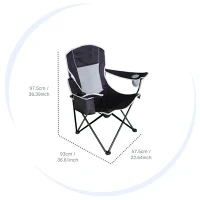
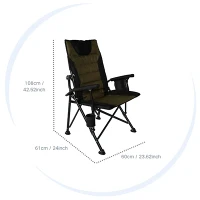
Triangular/X-Shaped Cross-Bracing System: Chair legs and cross-braces form acute-angled triangular zones, or X-shaped crossed supports are used. This efficiently resolves the vertical downward force of the user's body into diagonal tension and lateral friction; the load on a single leg is reduced to just one-quarter of the total weight, significantly lowering the risk of structural deformation.
Reinforced Stress-Node Design: Triangular reinforcement plates are installed at frame weld points and hinge connections. This prevents stress concentration at folding joints-the areas most prone to breakage-mimicking the load-bearing logic of bridge trusses to enhance overall torsional strength.
Low-Center-of-Gravity Layout: A trapezoidal frame design-featuring a widened base and splayed legs-ensures the user's center of gravity remains within the geometric center of the supporting chassis. When leaning back, gravity is transferred to the ground via diagonal connectors rather than exerting purely vertical pressure on the legs.
Material-Based Load-Bearing Logic
Rigid Frame Support: Mainstream models utilize aerospace-grade 6061-T6 aluminum alloy or high-strength carbon steel. Optimized tube diameters (such as thickened 16mm tubing) provide sufficient resistance to bending while maintaining a lightweight profile; some products weighing only 1.7kg can support a tested load of 150kg.
Fabric Tension Assistance: High-density Oxford cloth (600D or higher) or high-elasticity mesh distributes localized pressure across the entire seat surface through overall tension, subsequently transferring it to the surrounding frame. This prevents single-point punctures or tearing; fabrics with PA protective coatings offer even greater puncture resistance.
Interlocking Mechanisms: Components such as dual-axis hinges and cross-linkages lock automatically upon deployment. This ensures all support members bear the load synchronously, preventing any single rod from bearing the weight alone and avoiding sudden structural instability during use.